

Age Play Explained: Understanding Roles with Care
Affiliate Disclosure: Some links on this page are affiliate links, which means I may earn a small commission at no extra cost to you when you make a purchase through one of those links.
It helps support A Lil’ Bit Kinky and keeps this space cozy, educational, and judgment-free. 💕

At its heart, age play is about creating safe, consensual spaces where adults can explore comfort, play, and connection in ways that feel authentic and affirming.
Age play is a consensual roleplay practice where adults explore a headspace or role that reflects a different age than their actual chronological age. Participants are adults, they set boundaries and choose activities that feel safe, comforting, or creatively engaging.
Some enjoy the playful, cozy side of care and routine. Others like the structure and guidance a caregiver offers. Many find that age play supports relaxation, self-expression, and deeper trust within relationships.
Types of Age players and Their Characteristics
Age play encompasses a wide spectrum of identities, roles, and experiences, each with its own unique flavor of expression. While no two people explore or embody their role in exactly the same way, many find comfort in broad categories that help describe different approaches and styles of play.
These categories, such as Adult Baby, Little, Middle, or Caregiver, serve as useful frameworks for understanding headspaces, needs, and dynamics, while still leaving plenty of room for individuality. Recognizing this variety not only makes age play more accessible but also highlights the creativity and diversity that make it a deeply personal and meaningful practice.
Age play Explained: Adult Baby, Littles, Middles, and Caregivers

ADULT BABY
Adult Baby
Adult babies are age players who enjoy a baby or infant-inspired headspace that emphasizes comfort, care, dependency, and safety. This role often centers on nurturing rather than play or independence.
Who Are They?
Adult babies are adults who intentionally choose this headspace, with full awareness and consent. They do not believe they are infants or lose touch with reality. Instead, this role is about feeling cared for, safe, and allowed to rest from the weight of adult expectations for a while.
Many adult babies find this space deeply calming and grounding, especially during stressful or overwhelming times. Even in headspace, they retain agency, can communicate needs and boundaries, and remain fully in control of their consent and well-being.
Typical Headspace Age Range:
Newborn to approximately 3 years old
Common characteristics:
- Soothing routines and repetition
- Comfort objects and soft textures
- Being cared for, guided, or supervised
- Calm, quiet environments
- Nurturing attention and reassurance
The focus is often emotional grounding rather than activity.
Common Misconceptions
- Adult baby play is not inherently sexual
- Adult babies are not incapable or unaware
- Dependency is negotiated, not forced
For many, adult baby play is deeply calming.
Ideas for Embracing Your Inner Adult Baby
- Creating quiet, cozy environments
- Using comfort routines
- Listening to calming music or stories
- Allowing rest without guilt
- Engaging in intentional self-soothing
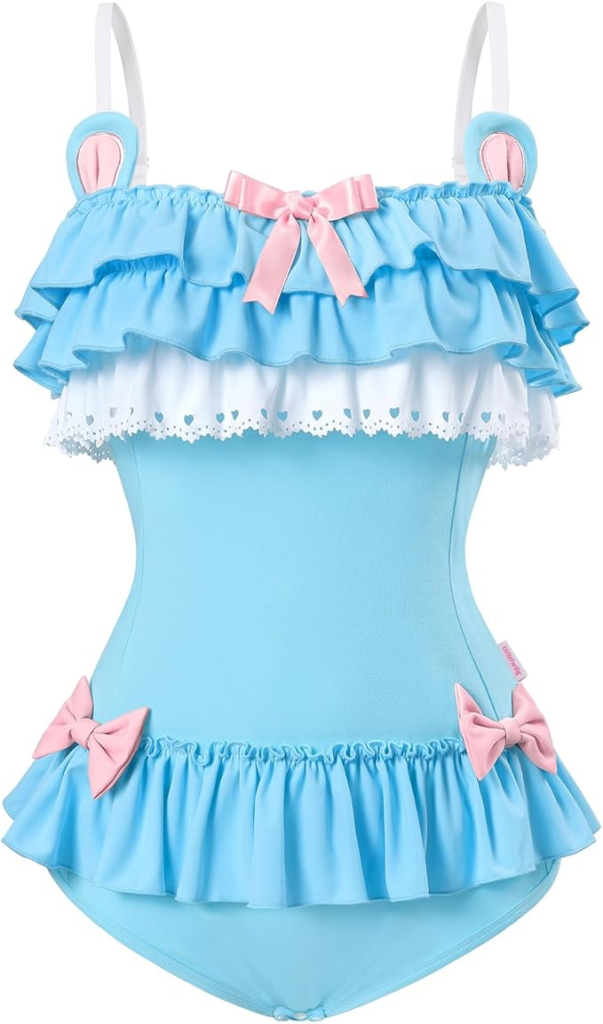
Littleforbig Cotton Fancy Bunny Romper Onesie


Littleforbig Printed Cloth Back Diaper – Little Blue BabyFur
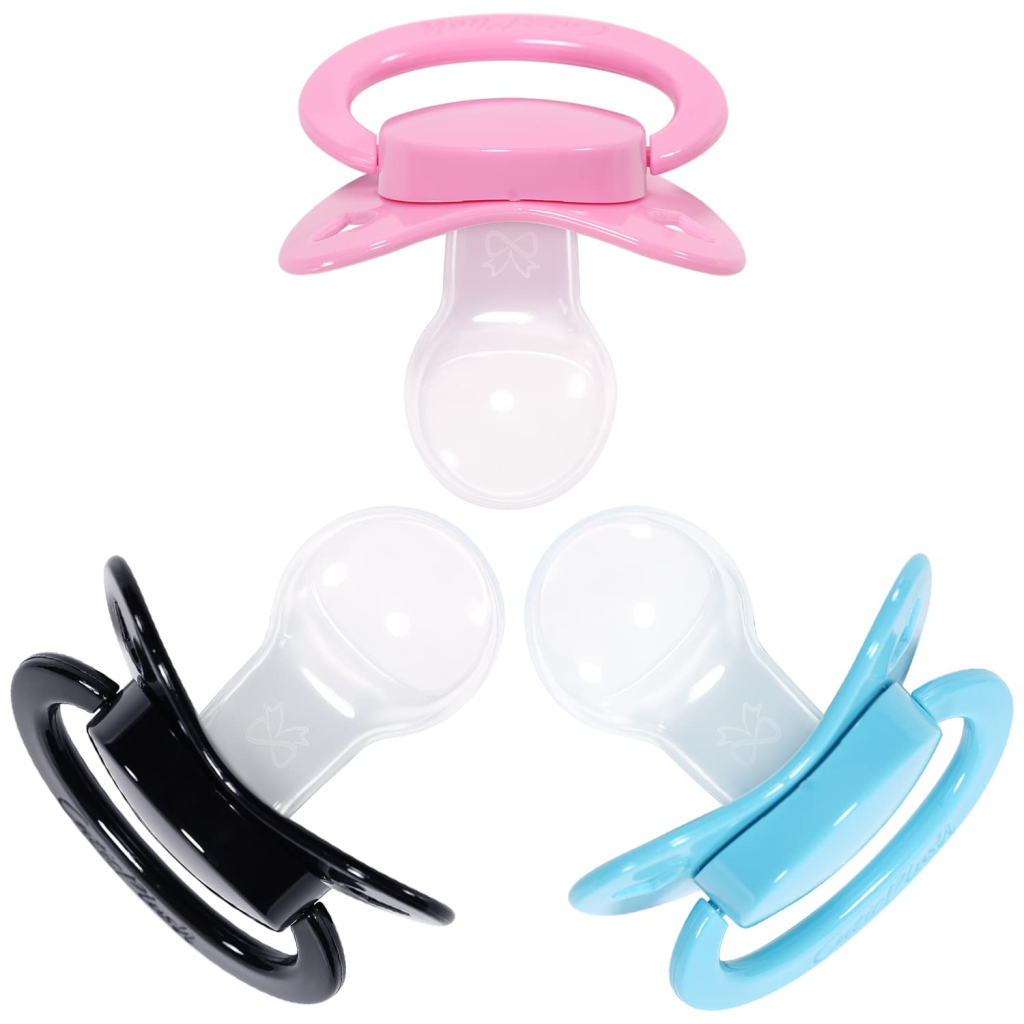
CutiePlusU Adult Sized Pacifier – Big Shield 3 Pack-Pink, Blue, Black
Ideas for Caregivers
- Focus on emotional presence and consistency
- Maintain clear consent and boundaries
- Offer reassurance and gentle structure
- Avoid assumptions about needs
- Prioritize aftercare and grounding
Why It Matters
Adult baby play can provide profound emotional regulation and stress relief. It allows adults to experience care and rest in a world that often discourages both.

Littles
Littles
Littles are adults who intentionally choose a younger headspace, often centered around playfulness, softness, curiosity, and emotional openness.
Who Are They?
They are not children, and they do not lose awareness of reality, consent, or personal boundaries while in this space. Instead, little space is about how it feels to slow down, play, and let go of adult pressure for a while.
For many littles, this headspace feels comforting, joyful, and expressive. Some littles are energetic and silly, while others are quiet, cuddly, or more introspective. There’s no single way to be a little. What matters is that the space feels safe, affirming, and chosen.
Typical Headspace Age Range:
Most littles identify with a headspace ranging from toddler to early elementary age, roughly ages 1 to 9 in expression. Some littles have a very specific “little age,” while others experience a fluid range depending on mood, environment, or support.
Common characteristics:
Littles often enjoy activities and comforts associated with early childhood, such as:
- Toys, stuffies, dolls, or action figures
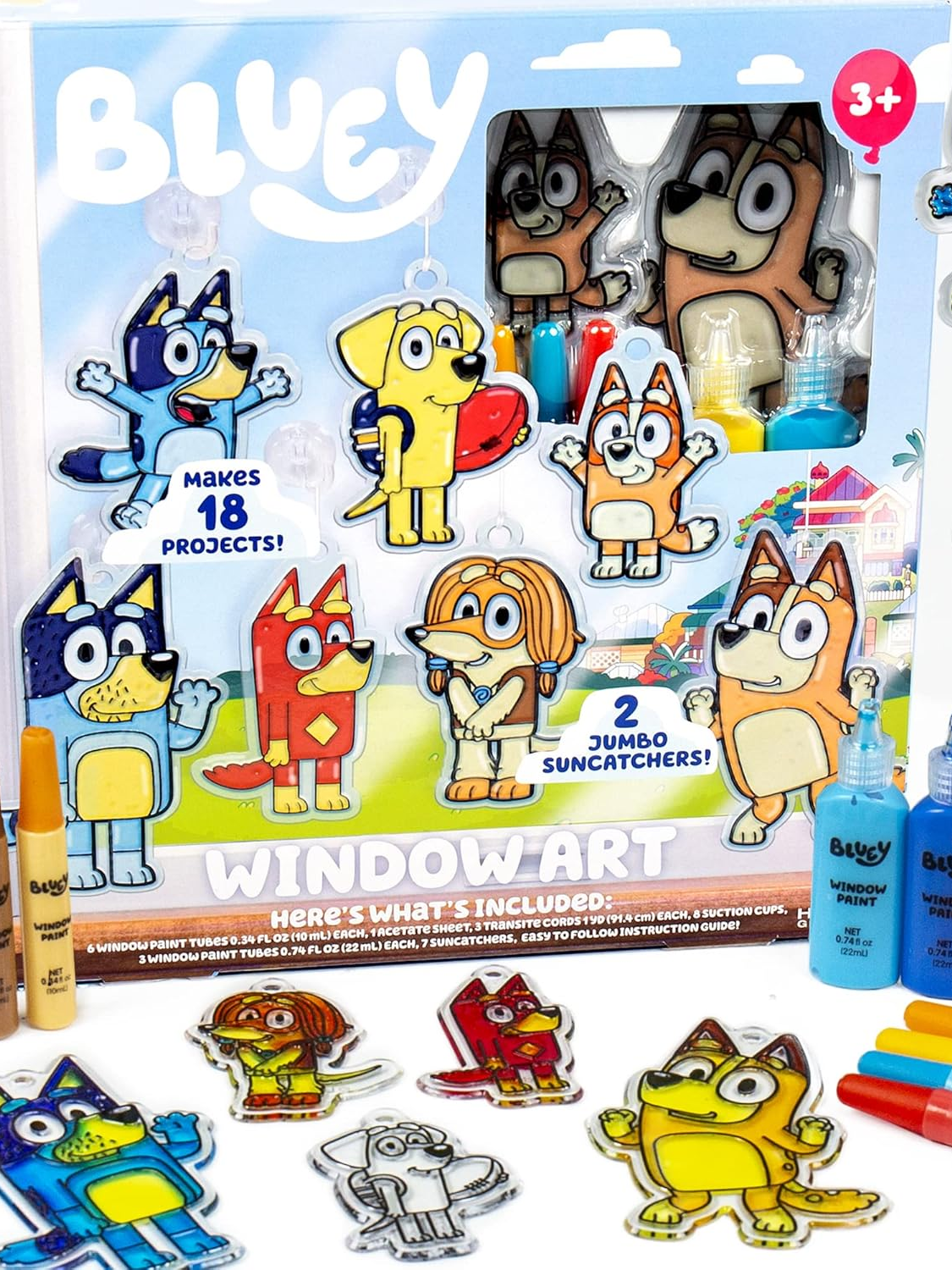
- Coloring, crafts, puzzles, or simple games
- Cartoons, animated movies, or bedtime stories
- Gentle routines such as snack time, naps, or playtime
- Praise, reassurance, affection, and nurturing guidance
Emotionally, littles may feel more expressive, sensitive, or honest. Many find it easier to communicate needs and feelings in little space than in everyday adult mode.
Common Misconceptions
- Littles are not helpless or incapable
- Littles are not children
- Littles are not always submissive
- Little space is not inherently sexual
Many littles experience age play as emotional care or self-regulation rather than sexual expression.
Ideas for embracing your inner Little:
- Watch cartoons, Disney movies, or kid-friendly shows.
- Color in coloring books or play with crayons and stickers.
- Host a pretend tea party with stuffed animals.
- Build with blocks, Legos (like this Lego Friends Axolotl set), or Play-Doh.
- Wear cute clothing like overalls, footie pajamas, or twirly dresses.
- Play board games, card games, or simple puzzles.
- Visit a playground, ride swings, or blow bubbles outside.
- Snack on kid-friendly foods like goldfish, PB&J, or animal crackers.
- Keep a bedtime routine with storytime, tuck-ins, and a night-light.
- Collect or cuddle plushies, dolls, or action figures.


Ideas for Caregivers
- Offer praise and reassurance generously
- Create predictable routines that build safety
- Provide clear but gentle boundaries
- Encourage play without judgment
- Check in emotionally before and after little time
Why It Matters
For many littles, entering little space provides a sense of relief from adult stress and responsibility. It offers a mental reset, allowing space for joy, comfort, and emotional regulation. In a world that often demands productivity and composure, little space can be a powerful reminder that rest, and play are valid adult needs.

Middles
Middles
Middles are adults who intentionally step into a pre-teen or teen-inspired headspace, blending growing independence with emotional expression and curiosity.
Who are They?
They are not children, and they remain fully aware of reality, consent, and boundaries while in this space. Middle space is less about being taken care of and more about exploring identity, feelings, and autonomy in a way that still feels supported and safe.
For many middles, this headspace feels expressive, creative, and emotionally honest. Middles may enjoy music, journaling, games, fandoms, or exploring personal style and opinions. Some are playful and outspoken, while others are thoughtful or a little moody. Like all age play roles, middle space looks different for everyone, and there’s no “right” way to experience it as long as it’s chosen and consensual.
Typical Headspace Age Range:
Typical Middles identify with an age range between 10 and 17 years old, often reflecting the mindset, interests, and personality traits of a pre-teen or teenager.
Common characteristics:
Middles often enjoy activities that reflect their in-between status, such as:
- Video games, music, fandoms, and creative hobbies
- Journaling, writing, drawing, or crafting
- Exploring personal style, fashion, or aesthetics
- Expressing strong opinions or emotional highs and lows
- Testing boundaries in playful or curious ways
Compared to littles, middles tend to assert their preferences more clearly. They may crave independence while still wanting guidance and reassurance from a Caregiver.
Common Misconceptions
• Middles are not just “bratty littles”
• Middles are not immature adults
• Emotional expression is not manipulation
Ideas for embracing your inner Middle:
- Journal, doodle, or write in a diary with stickers.
- Play video games, handhelds, or retro consoles.
- Listen to music, make playlists, or decorate CDs like the 90s.
- Roller skate, skateboard, or ride a bike.
- Experiment with makeup, nail polish, or fun hairstyles.
- Watch teen dramas, anime, or nostalgic shows.
- Decorate your room with posters, string lights, or a bulletin board.
- Pass notes (or digital “notes”) with your caregiver or friends.
- Read YA novels, fantasy stories, graphic novels, or comic books.
- Indulge in a sleepover vibe—pajamas, popcorn, movies, and gossip.



Caregiver focus:
Caregivers help middles negotiate independence with responsibility. Tools include schedules, earned privileges, choices within boundaries, and collaborative problem solving.
- Respect autonomy while offering guidance
- Validate emotions without dismissing them
- Set clear expectations and boundaries
- Encourage expression and creativity
- Avoid infantilizing language if unwanted
Why it matters:
Middles bring depth and variety to age play dynamics. Their blend of autonomy and vulnerability allows for exploration of trust, communication, and identity. For many, middle space provides a safe outlet for emotions that feel too big or complicated in everyday adult life.

CAREGIVERS
Caregivers
Caregivers are adults who intentionally choose to offer care, guidance, and emotional support within an age play dynamic.
Who are they?
They do not take on this role by default or obligation. It is a conscious choice rooted in trust, communication, and mutual respect. Caregivers remain fully aware, grounded, and responsible at all times, with consent at the center of everything they do.
For many caregivers, this role feels fulfilling and meaningful. They may enjoy providing structure, reassurance, routines, or a sense of safety for their partner. Some caregivers are nurturing and gentle, while others are more structured or authoritative, depending on the dynamic. What matters most is that caregiving is collaborative, not controlling, and that caregivers also honor their own needs, limits, and well-being.
Core caregiver skills:
- Providing reassurance, praise, and comfort
- Creating routines, rules, and rituals
- Offering emotional support and grounding
- Encouraging growth, self-expression, and trust
- Maintaining boundaries and prioritizing safety
Caregiving can be deeply fulfilling, offering a sense of purpose and connection rooted in trust and responsibility.
Fulfillment for caregivers:
Caregivers help create the emotional container that makes age play possible. Their presence allows littles and middles to relax into vulnerability, knowing their needs will be respected and protected. Healthy caregiving is collaborative, not controlling, and thrives on communication and mutual respect.

BRATS
Brats
Brats are littles or middles who enjoy playful resistance, teasing, or pushing boundaries as part of their dynamic.
Brats in Age Play
This behavior is intentional and consensual, not a lack of respect or cooperation. Brattiness is often a way of seeking connection, engagement, or reassurance through interaction rather than direct requests.
For many brats, this energy feels playful, expressive, and fun. Some use humor or sass, while others test limits to feel seen or grounded. When handled with patience, consistency, and clear communication, brat dynamics can add warmth, creativity, and depth to a relationship. Like all roles in age play, brattiness works best when everyone understands the intent behind it and agrees on how it’s expressed.
Common traits:
- Playfully defy rules or instructions
- Use sass, humor, or teasing to seek attention
- Enjoy negotiating boundaries
- Crave both freedom and structure
Brats often thrive when Caregivers respond with consistency, patience, and a sense of humor.
Why It Matters
Brat dynamics introduce energy and interaction into age play relationships. They encourage communication, negotiation, and creative problem-solving. When handled respectfully, brattiness strengthens trust rather than undermining it.

ADULT/BIGS
Adults or “Bigs”
Adults, often called “Bigs,” are age players who intentionally take on an adult or authority-based role within an age play dynamic.
Who Are They?
Unlike littles, middles, or adult babies, Bigs do not step into a younger headspace. Instead, they lean into being steady, capable, and present. This role is chosen with care and awareness, not assumed automatically, and it exists to support the dynamic as a whole.
Being a Big is not about pretending to be someone else entirely. It is about emphasizing certain adult qualities like leadership, responsibility, guidance, or calm authority in a way that helps everyone feel safe and grounded.
Age Range
Bigs remain in an adult headspace. The role is not tied to a younger age range and does not involve age shifting. Any “role titles” used are symbolic and negotiated, not literal.
Common Characteristics
Adult role players may embody figures such as:
- Providing structure, guidance, or clear expectations
- Taking on symbolic roles such as a teacher, tutor, caretaker, or other authority figure
- Balancing playfulness with responsibility
- Offering calm direction rather than constant nurturing
- Being a grounding presence when others are in younger headspaces
Some Bigs are warm and gentle, others are firm and confident, and many fall somewhere in between. The role can be playful, structured, or quietly supportive depending on the dynamic and the people involved.
Common Misconceptions
- Bigs are not automatically caregivers
- Bigs are not always dominant or strict
- Bigs are not emotionless or detached
- Authority does not mean control without consent
Being a Big is not about power for its own sake. It is about using authority thoughtfully and responsibly, with consent and communication at the center.
Ideas for Embracing Your Inner Big
- Lean into organization, planning, or routines
- Practice clear, calm communication
- Set expectations that are firm but fair
- Balance structure with humor and warmth
- Explore role-based play that feels affirming rather than rigid
Being a Big often means knowing when to lead and when to listen.
Ideas for Caregivers
If you are also a caregiver or partnered with one:
- Coordinate roles so responsibilities feel shared, not overlapping
- Check in regularly about what kind of authority feels supportive
- Avoid slipping into “default control” without discussion
- Remember that Bigs also need rest, reassurance, and care
Healthy dynamics make room for everyone’s needs.
Why It Matters
Adult or Big roles help create the framework that holds age play together. They provide contrast, stability, and a sense of containment that allows younger headspaces to relax and feel secure. When done well, Big roles add balance to a dynamic, offering guidance without pressure and authority without fear. They remind everyone involved that age play works best when someone is steady, present, and paying attention.

Benefits of Age Play
Benefits of Age Play
Age play offers a mental break from responsibilities.
Stress relief and nervous system calm
The simple routines of AB or little headspace, or the creative focus of a middle, can quiet rumination and reduce anxiety. For many people, this shift helps the nervous system settle, making it easier to feel present and regulated again.
Emotional nourishment and self-acceptance
Rituals such as bedtime stories, rewards, and supportive check-ins can nourish needs that adult life often overlooks. Many people report greater self-acceptance and resilience. Being met with care in a chosen, consensual way can make it easier to offer that same kindness to oneself.
Communication and trust
Age play requires clear boundaries, regular check-ins, and honest feedback. These skills strengthen relationships in and out of scenes. Over time, this kind of intentional communication builds trust and makes it easier to navigate difficult conversations with confidence.
Creativity and play
From crafts to story prompts and themed activities, age play sparks imagination. Middles often enjoy projects with increasing complexity, while littles and ABs relish sensory play and simple delight. Play becomes a way to explore curiosity without pressure or expectations.
Consistency and self-care
Routines like sleep hygiene, hydration reminders, chore charts, and screen time limits can become life skills. Many people report better daily habits when these tools are framed as part of play. Turning care into something supportive rather than punitive can make it easier to stick with over time.
Common Questions About Age Play
Role Acronyms You May See
These acronyms describe consensual dynamics and do not define anyone’s identity outside the scene.
- DD/lg – Daddy Dom with little girl
- DD/mg – Daddy Dom with middle girl
- DD/lb – Daddy Dom with little boy
- DD/mb – Daddy Dom with middle boy
- DD/ab – Daddy Dom with adult baby
- MD/lg – Mommy Dom with little girl
- MD/mg – Mommy Dom with middle girl
- MD/lb – Mommy Dom with little boy
- MD/mb – Mommy Dom with middle boy
- MD/ab: Mommy Dom with adult baby
Variants exist for nonbinary titles and gender-neutral honorifics. Choose what fits your dynamic.
Interested in Age play?
Getting Started
- Reflect on your headspace. Do you feel most at ease as AB, little, or middle. What comforts or challenges appear in each.
- Write a starter script. Include a short intro ritual, an activity list, and a simple aftercare plan.
- Talk about limits early. When talking about limits, either hard or soft, use a yes, no, maybe list. Revisit it often. I suggest reassessing limits every 6 months if you are very active in scenes, visiting events, etc. Some reassess every 3 months while others 12 months.
- Start small. Try a short scene, then debrief. Add more complexity only when it feels stable and fun.
- Collect resources. Cozy items, crafts, playlists, and a routine board can make scenes smoother and more satisfying.
Age play is a broad, consent-based spectrum that welcomes many styles.
- Adult Baby headspace prioritizes soothing and immediate care needs.
- Littles thrive with simple play, praise, and predictable routines.
- Middles balance independence with supportive structure and growth.
- Caregivers bring reliability, boundaries, and heart.
When you anchor your dynamic in communication, consent, and aftercare, age play can become a powerful practice for stress relief, emotional nourishment, skill building, and genuine connection. Explore at your pace, tailor your rituals, and celebrate what makes your dynamic uniquely yours.